
Blind Spot Accidents With Commercial Trucks
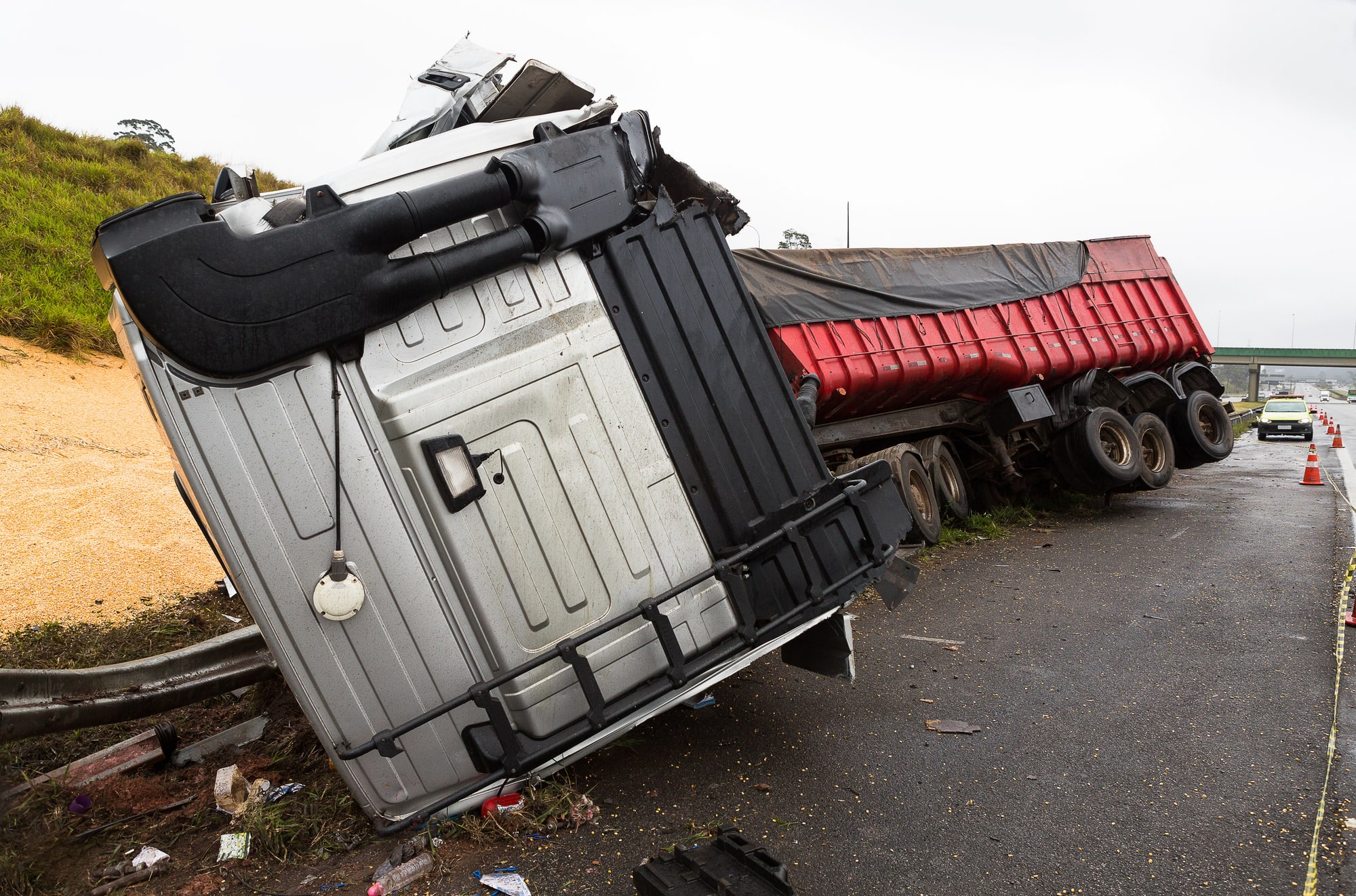
Commercial trucks have massive blind spots.
Most passenger vehicle drivers don’t fully appreciate this until it’s too late. These blind spots, commonly called “no-zones” in the trucking industry, are areas around a large truck where the driver simply cannot see other vehicles, even with properly adjusted mirrors.
Accidents in these zones happen frequently and often result in severe injuries or fatalities. Understanding where these dangerous zones exist and who bears responsibility when crashes occur can help accident victims protect their rights.
The Four Major Blind Spots Around Large Trucks
Unlike passenger cars, commercial trucks have significantly larger areas where visibility is limited or nonexistent. Truck drivers sit much higher off the ground and farther back from the front of the vehicle, creating substantial blind spots on all four sides.
Front Blind Spot
The area directly in front of a truck’s cab extends approximately 20 feet forward. When a truck driver looks straight ahead, they can’t see vehicles, motorcycles, or pedestrians in this zone.
This blind spot becomes particularly dangerous when trucks are moving slowly or stopped, and smaller vehicles cut in front too closely.
Rear Blind Spot
Behind the trailer, trucks have a blind spot that can extend 30 feet or more, depending on trailer length. Unlike passenger vehicles, commercial trucks don’t have rearview mirrors that show what’s directly behind them. They rely entirely on side mirrors, which don’t capture the area immediately behind the trailer.
Left Side Blind Spot
The left side blind spot runs along the length of the truck and trailer, starting just behind the driver’s door and extending backward. While this is the smaller of the two side blind spots, it still poses significant risks during lane changes on multi-lane highways.
Right Side Blind Spot
The most dangerous blind spot on a commercial truck is on the right side.
This no-zone extends from the passenger side of the cab all the way back along the trailer and can be several lanes wide. Truck drivers have extremely limited visibility on this side, making right-side accidents particularly common and severe.
Why Blind Spot Accidents Happen
These collisions occur for various reasons, often involving a combination of truck driver error and challenging road conditions.
Driver inattention plays a major role. Truck drivers who fail to check their mirrors frequently before changing lanes or merging can easily strike vehicles in their blind spots. Distracted driving makes this problem worse. Even brief lapses in attention can be deadly when you’re driving a vehicle with such limited visibility.
Inadequate mirror adjustment or broken mirrors eliminate what little visibility truck drivers do have. Commercial trucks require properly positioned and maintained mirrors to safely operate. When trucking companies or drivers neglect this equipment, accidents become more likely.
Improper lane changes happen when truck drivers fail to signal early enough or move between lanes without giving other drivers adequate warning. Large trucks need more time and space to change lanes safely. Some drivers make abrupt movements that catch nearby vehicles off guard.
Passenger vehicle drivers also contribute to these accidents. Lingering in truck blind spots, passing on the right side, cutting in front of trucks without leaving sufficient space. While truck drivers bear primary responsibility for safe operation, understanding these dynamics helps explain how many blind spot collisions occur.
Truck Driver Responsibilities And Regulations
Federal and state regulations place the burden on commercial truck drivers to operate their vehicles safely despite visibility limitations.
The Federal Motor Carrier Safety Administration sets standards for commercial vehicle operation. This includes requirements for mirrors, driver training, and safe driving practices.
Truck drivers must check their mirrors constantly while driving. Not just when preparing to change lanes. They’re required to signal well in advance of any lane change or turn, giving other drivers time to react. Before moving laterally, truck drivers should scan all mirrors multiple times to account for vehicles that may be in their blind spots.
Proper mirror adjustment is mandatory. Commercial trucks must have mirrors on both sides of the cab that provide adequate views of the lanes beside and behind the vehicle. Drivers are responsible for making sure these mirrors are properly positioned and functional before beginning their routes.
Many modern commercial trucks come equipped with blind spot detection systems, backup cameras, and other safety technology designed to reduce no-zone accidents. These systems help, but they don’t eliminate the driver’s responsibility to operate the vehicle safely and remain aware of surrounding traffic.
Determining Liability In Blind Spot Crashes
When a truck strikes another vehicle in its blind spot, liability typically falls on the truck driver and their employer.
Utah law requires all drivers to maintain a proper lookout and avoid collisions with other vehicles. The fact that a car was in a truck’s blind spot doesn’t excuse the truck driver from responsibility. They knew the blind spots existed when they got behind the wheel.
But these cases require thorough investigation to establish fault conclusively. Evidence from the accident scene matters. Witness statements, truck maintenance records, and the driver’s logbooks all help determine what happened and who bears responsibility.
In some situations, multiple parties may share liability. The trucking company can be held responsible for inadequately training drivers or failing to maintain equipment. Sometimes they pressure drivers to meet unrealistic schedules that encourage unsafe driving. Equipment manufacturers may bear liability if defective mirrors or failed blind spot detection systems contributed to the crash.
Protecting Your Rights After A Blind Spot Accident
Blind spot truck accidents require immediate legal attention. Evidence disappears quickly.
Trucking companies often conduct their own investigations and work to minimize liability. They’ve got teams of lawyers and investigators ready to go before you’ve even left the hospital. The attorneys at Acadia Law Group PC understand how to preserve critical evidence. Electronic logging data, maintenance records, and driver qualification files that reveal the full picture of what happened.
A West Valley City truck accident lawyer can work with accident reconstruction specialists to demonstrate how the collision occurred and establish the truck driver’s responsibility. These cases often involve substantial compensation claims due to the severity of injuries. Insurance companies fight hard to reduce payouts.
If you or someone you care about was injured in a blind spot accident with a commercial truck, understanding your legal options matters. The West Valley City truck accident lawyer team at Acadia Law Group PC has experience handling complex commercial vehicle cases and can help you pursue the compensation needed for medical care, lost income, and other damages. Reach out to discuss your situation and learn how proper legal representation can make a difference in your recovery.