What Utah Property Owners Owe You by Law
Property ownership in Utah comes with responsibilities that go well beyond aesthetics. Under Utah’s premises liability law, property owners have a legal obligation to maintain reasonably safe conditions for people who enter their premises. When they fail to meet that obligation, they can be held liable for injuries that result.
This applies to a wide range of properties: grocery stores, apartment complexes, office buildings, parking lots, restaurants, and private residences alike.
Who Is Owed a Duty of Care
Not everyone who enters a property is owed the same level of protection. Utah law generally categorizes visitors in three ways:
- Invitees are people invited onto the property for business purposes, such as customers in a retail store. Owners owe the highest duty of care to this group.
- Licensees are social guests or others who enter with the owner’s permission. Owners must warn them of known hazards.
- Trespassers are generally owed less protection, though property owners still cannot willfully cause them harm.
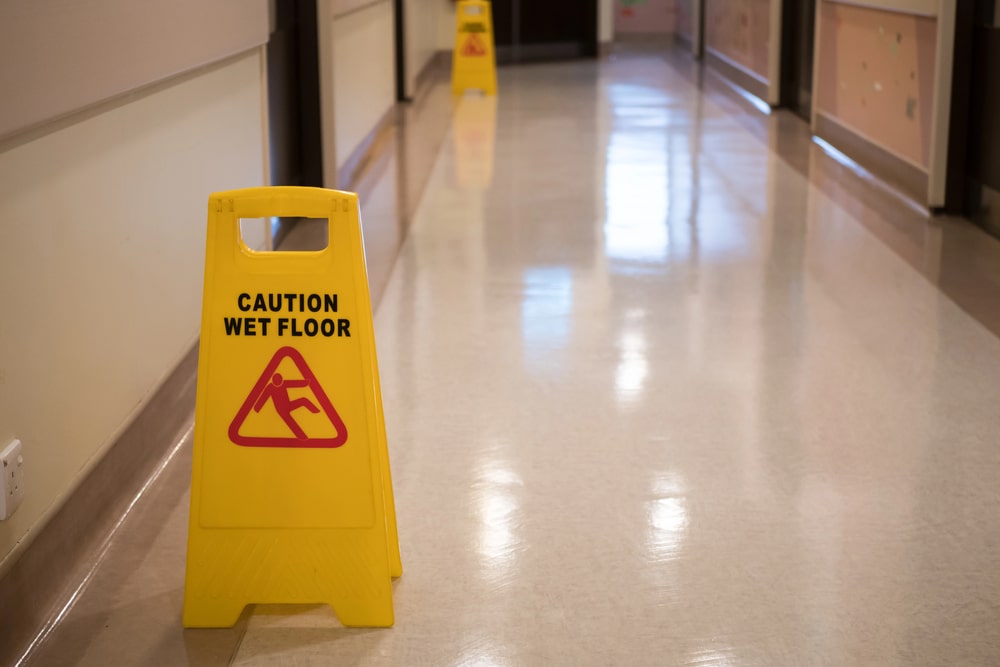
The distinction matters. If you slipped on an unmarked wet floor inside a store, that business had an affirmative duty to address the hazard or at a minimum warn you about it.
What “Reasonable Care” Actually Means
The standard is not perfection. Property owners are not expected to prevent every conceivable accident. What they are expected to do is take reasonable steps to identify hazards and address them within a reasonable timeframe.
In practical terms, this means:
- Inspecting the property regularly for dangerous conditions
- Repairing known hazards promptly
- Posting warnings when a hazard cannot be immediately fixed
- Keeping walkways, stairs, and common areas clear of debris or obstructions
A property owner who knew about a broken handrail for weeks and did nothing occupies a very different legal position than one who had a spill occur moments before a visitor slipped.
Utah’s Comparative Fault Rules
Utah follows a modified comparative fault system. Under Utah Code § 78B-3-211, an injured person can still recover damages even if they were partially at fault, as long as their share of fault does not exceed 50 percent. Any compensation awarded is reduced by their percentage of fault. This is worth understanding before assuming you have no case. A Draper slip and fall lawyer can help assess how fault might be distributed in your specific situation.
Common Conditions That Lead to Premises Liability Claims
Hazardous property conditions take many forms. Some of the most common include:
- Wet or slippery floors without warning signs
- Uneven pavement or cracked sidewalks
- Poor lighting in stairwells or parking lots
- Unsecured mats or loose carpeting
- Broken steps or missing handrails
These hazards are not always obvious to a visitor, which is precisely why the law places the burden of identification and correction on the property owner.
What to Do After an Injury on Someone Else’s Property
How you respond in the immediate aftermath of an injury can significantly affect your ability to recover compensation. Document the scene if you are able, seek medical attention promptly, and avoid giving recorded statements to insurance adjusters before speaking with an attorney.
A Draper slip and fall lawyer can evaluate whether the property owner breached their duty of care and what your claim may realistically be worth. At Acadia Law Group PC, we work with clients injured on unsafe properties throughout Utah and help them understand what the law actually entitles them to. If you believe a property owner’s negligence caused your injury, speaking with an attorney early on makes a real difference in how your case develops.