
When Your Rideshare Driver Isn’t on a Trip
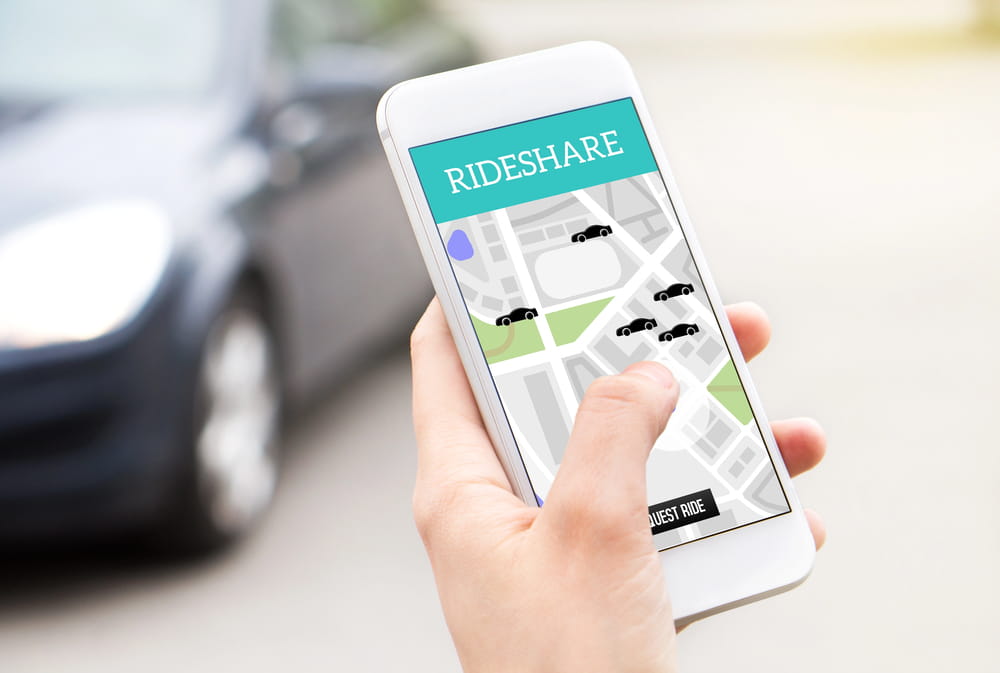
Most people assume that if an Uber or Lyft driver causes an accident, the rideshare company’s insurance covers it. That assumption is only partially correct. The coverage that applies depends entirely on what the driver was doing in the app at the moment of impact. For crashes that happen between rides, the picture gets complicated fast.
The Three Status Periods That Determine Coverage
Both Uber and Lyft structure their insurance around three distinct driver status periods:
- Period 1: Driver is logged into the app but has not yet accepted a ride request
- Period 2: Driver has accepted a ride and is on the way to pick up the passenger
- Period 3: A passenger is in the vehicle and the trip is active
During Periods 2 and 3, the rideshare company’s full commercial liability policy applies. Period 1 is where coverage gets significantly more limited, and where disputes with insurers become most common.
What Period 1 Coverage Looks Like in Practice
When a driver is waiting for a fare, rideshare companies provide reduced contingent coverage. This kicks in only if the driver’s personal auto insurance denies the claim, which happens often because many personal auto policies exclude commercial use.
The result is a situation where multiple insurers are pointing at each other while your medical bills accumulate. Establishing exactly which period was active at the time of your crash is one of the first and most important steps in a rideshare injury claim.
A West Jordan rideshare accident lawyer can identify which coverage period applied and which policies are actually responsible for your losses.
Other Parties Who May Be Liable
Beyond the driver and the rideshare company, other parties can factor into a claim. If the crash happened because of a vehicle defect, a manufacturer or maintenance provider could be involved. If road conditions contributed, government entities responsible for maintaining those roads may carry some responsibility.
Rideshare cases often involve more parties than standard auto accidents. That’s not a reason to avoid pursuing a claim. It’s a reason to have someone in your corner who understands how to work through the process.
What to Do Right After a Rideshare Accident in Utah
A few steps make a meaningful difference in these cases:
- Call 911 and get a police report filed
- Take a screenshot of the Uber or Lyft app showing the driver’s trip status if you can do so safely
- Get the driver’s personal insurance information along with the rideshare company name and trip ID
- Photograph all vehicle damage and the surrounding scene
- Seek medical evaluation before speaking with any insurance adjuster
Preserving the driver’s app status is especially important. That single piece of information often determines which insurance policy responds to your claim.
Getting Help With a Rideshare Injury Claim
Acadia Law Group PC handles rideshare accident claims throughout Utah, including cases where coverage disputes between drivers and companies stall the process.
If you were hurt in a crash involving an Uber or Lyft driver, connecting with a West Jordan rideshare accident lawyer can help you understand which coverage applies and how to move your claim forward efficiently.